
Waste (WS)
3R (Reduce, Reuse, Recycle) program for university’s waste
3R program is more than 75% implemented across Dokuz Eylul University (DEU) campuses.
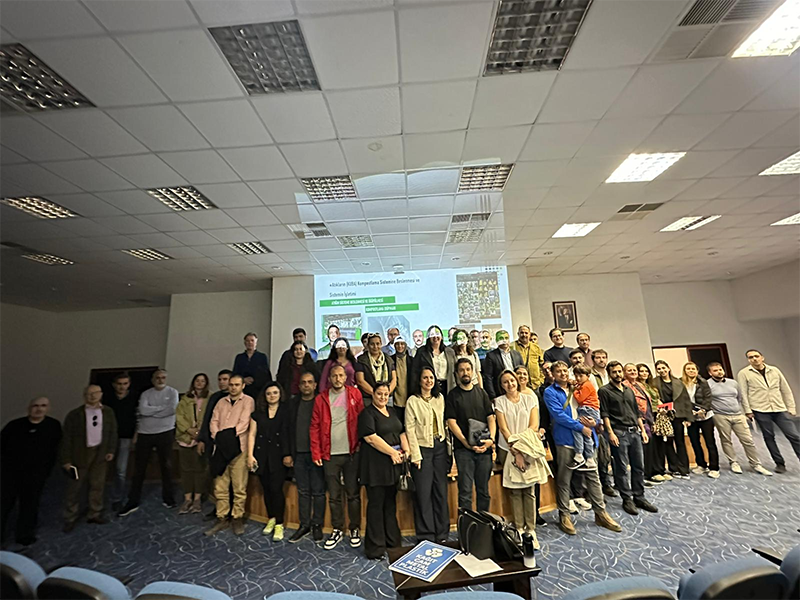
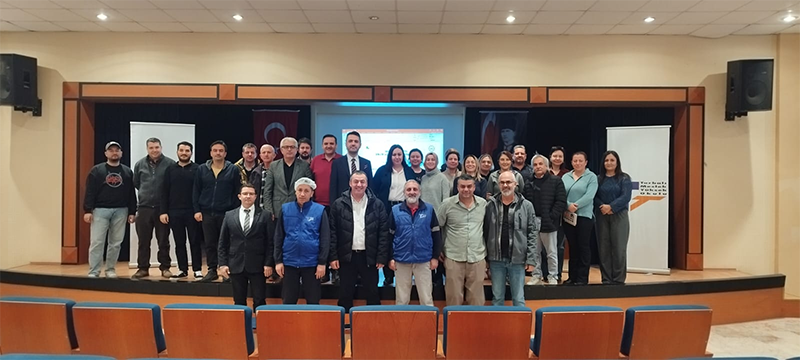
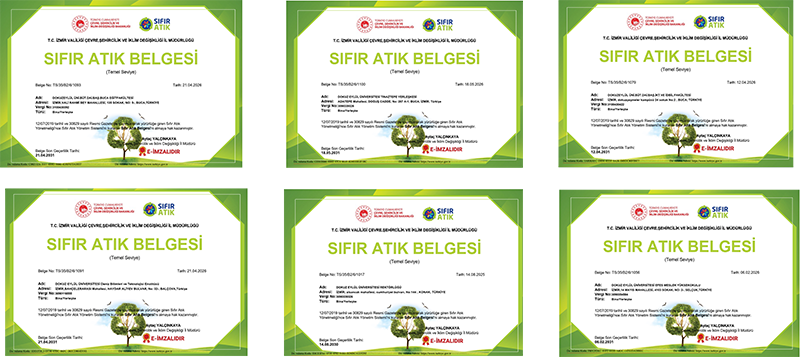
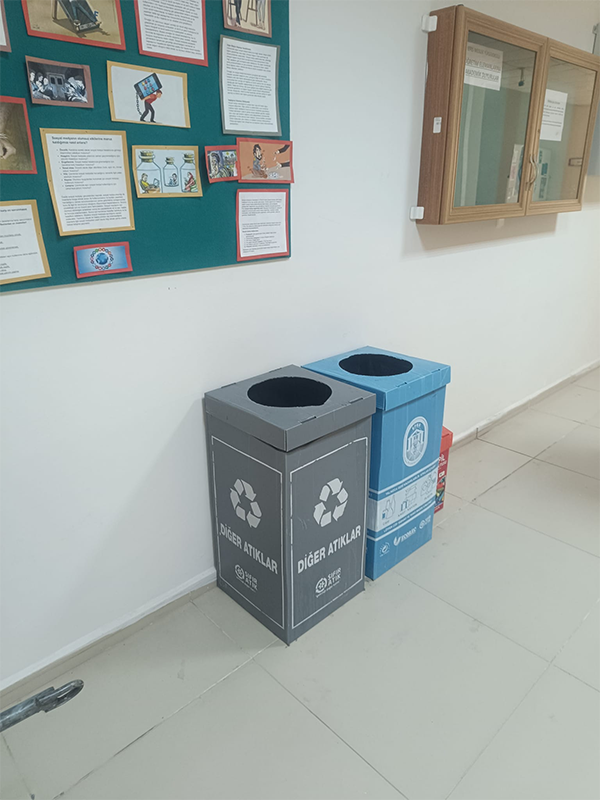
The Zero Waste and Environmental Management Coordination Office carries out activities prioritizing waste reduction and recycling throughout DEU campuses. Regular audits and inspections are conducted to maintain the validity of Zero Waste Certificates for 15 campuses. As part of the Rectorate Campus Basic Level Zero Waste Certificate Renewal Process, Zero Waste Awareness Training sessions were provided to campus staff. Zero Waste Officers at 15 campuses also conducted awareness training for students and personnel.

The Sustainable Waste Management Student Community (DESAY) was established to raise awareness among students, organizing various activities such as the Swap Festival, where reusable items are exchanged. The 6th Environment Days, held at DEU Central Campus under the theme “End Plastic Pollution,” further focused on promoting waste reduction and environmental protection.
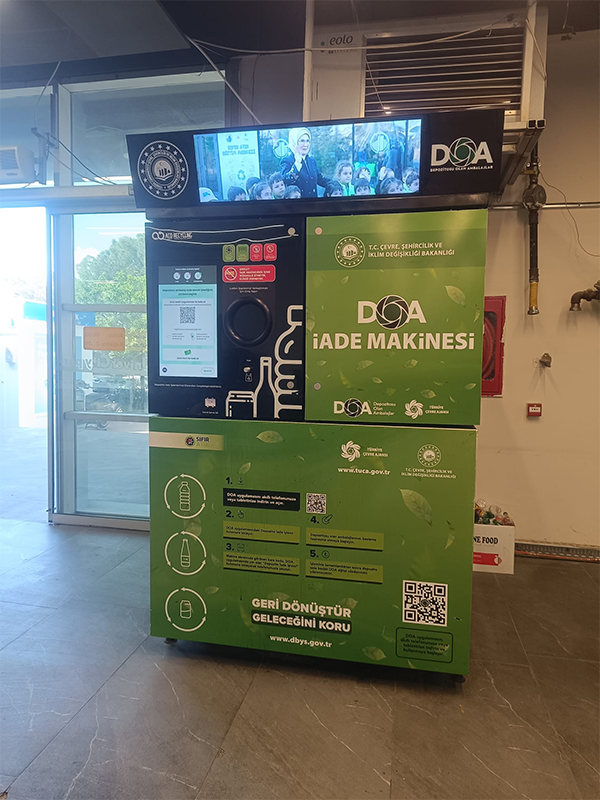
Additionally, the Deposit Management System (DYS), coordinated by the Turkish Environment Agency, was implemented at three DEU campuses, supporting recycling and sustainable resource use. Between August 2024 and June 2025, a total of 36 inspections were carried out in DEU Hospital units and 22 detailed inspections across university campuses and facilities to monitor waste reduction and management practices.
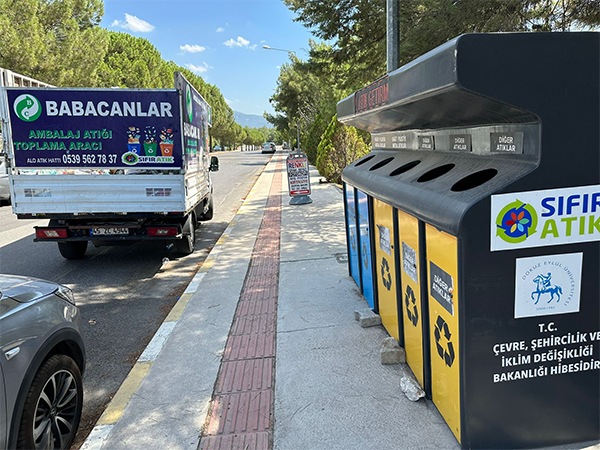
In accordance with the Zero Waste Regulation, recyclable waste collected from campuses in 2024 was sold to a licensed recycling company through a tender process. Recyclable materials are meticulously collected across all campuses to ensure compliance with sustainability standards.
Additionally, the Deposit Management System (DYS), coordinated by the Turkish Environment Agency, was implemented at three DEU campuses, supporting recycling and sustainable resource use. Between August 2024 and June 2025, a total of 36 inspections were carried out in DEU Hospital units and 22 detailed inspections across university campuses and facilities to monitor waste reduction and management practices.
Total volume of paper and plastics produced this year (tons)
In 2024, a total of 58.849 tons of paper and cardboard waste and 89.546 tons of plastic waste were separately collected from the university campuses. This amounts to approximately 148.395 tons of recyclable waste in total. The data reflect the quantities of materials collected through waste segregation practices implemented across the campuses
Total volume of paper and plastics produced last year (tons)
In 2023, a total of 75.266 tons of paper and cardboard waste and 118.875 tons of plastic waste were separately collected from the university campuses. This corresponds to approximately 194.141 tons of recyclable paper and plastic waste in total. The figures represent the recorded amounts of segregated materials collected during the year
Program to Reduce the Use of Paper and Plastic on Campus
More than 10 active programs at Dokuz Eylul University (DEU) aim to reduce plastic and paper use. For the last five years, all internal correspondence has been carried out digitally through the Belgenet system, significantly lowering paper consumption in both academic and administrative units.
Water dispensers in offices help reduce single-use plastic bottles, while Reverse Vending Machines on three campuses support deposit returns and limit plastic waste. Poster printing is restricted to 10 copies per event, with announcements shared mainly via social media.
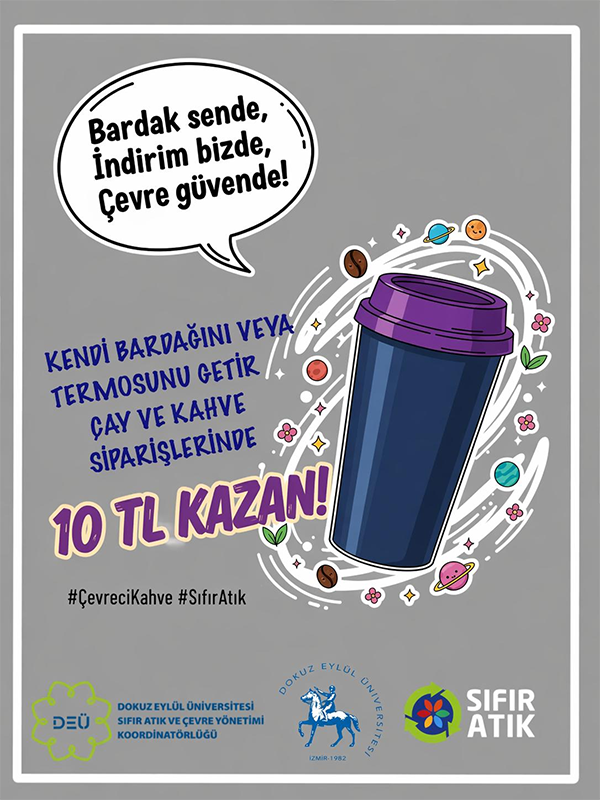
Students and staff who bring their own mugs receive larger servings in cafeterias, encouraging reduced use of disposable cups; discounted beverage prices are planned as an additional incentive. Although face-to-face education continues, digital assignment submissions through the SAKAI system still reduce paper usage, and double-sided printing is promoted across units.
Since 2023, all undergraduate and graduate theses have been submitted digitally. With around 30,000 graduates producing 100-page theses, nearly 3 million A4 pages—about 15 tons of paper and roughly 250 trees—have been saved, with the real figure likely higher due to multiple printed copies previously required.
Total volume of organic waste produced this year (tons)
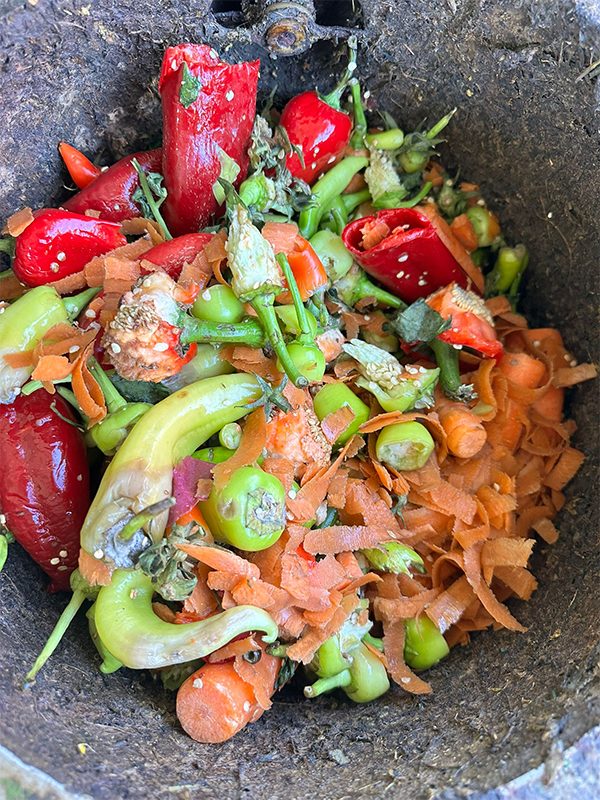
At Dokuz Eylul University (DEU), the primary source of organic waste is the university canteens and dining halls. In 2024, the Sustainable Waste Management Student Community implemented a project entitled “What’s on My Plate?” to estimate the total amount of organic waste generated across the campuses. As part of this initiative, food waste samples were collected and weighed over a ten-day period in four different university dining halls. The data obtained from these measurements were then proportionally compared with the total number of people dining on campus throughout the year. Based on this calculation, the total amount of organic waste generated at DEU by the end of 2024 was estimated to be approximately 26.1 tons. The project not only provided valuable data on food waste generation but also raised awareness among students and staff about responsible food consumption and waste reduction practices.

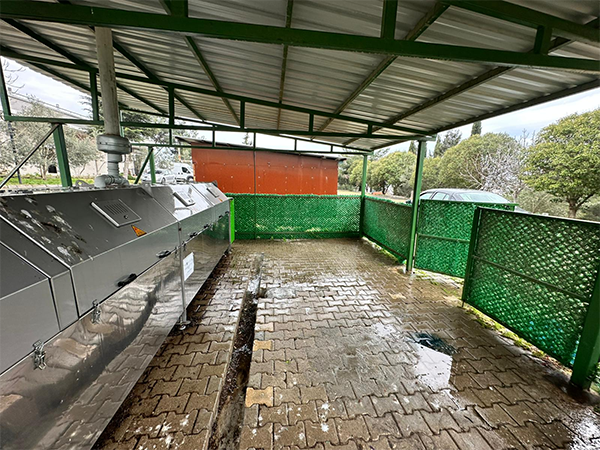
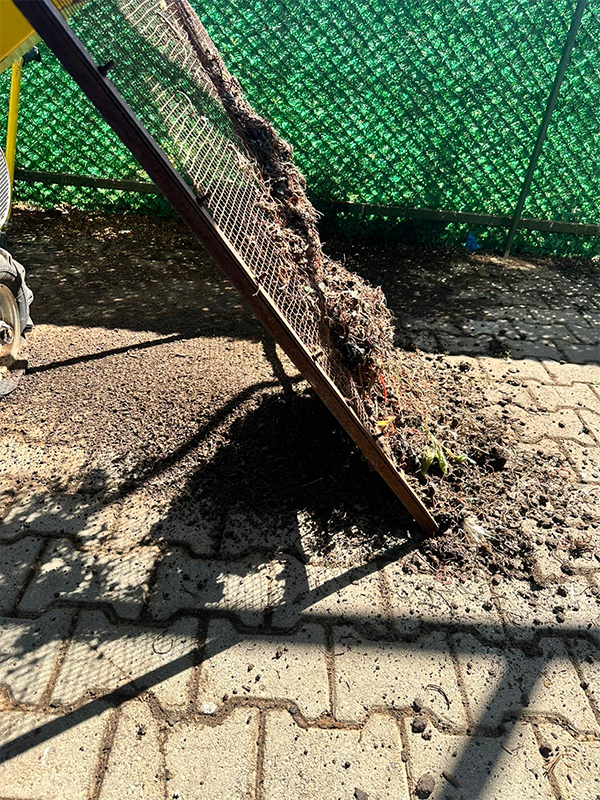
In 2024, composting activities continued at Dokuz Eylul University as part of the institution’s sustainable waste management efforts. Organic waste collected from campus kitchens and dining halls was regularly processed through composting systems. As a result, approximately 9.2 tons of organic waste were composted during the year, producing nutrient-rich material that was used for soil improvement in campus green areas and landscaping projects. There is the partial (%35,5) treatment of organic waste.
Total volume of the inorganic waste produced (tones)
Dokuz Eylul University (DEU) carries out recycling activities in line with the National Zero Waste Regulation, which has been in force since 2019. The university holds a Zero Waste Certificate for all 15 campuses, issued by the Ministry of Environment, Urbanization, and Climate Change. This certificate confirms that inorganic waste is collected and recycled separately in compliance with national regulations.
DEU works with licensed recycling companies and the regional municipality to ensure that recyclable materials collected from campuses are properly processed. In 2024, a total of 181,912 tons of inorganic waste was collected across all campuses. During the same year, DEU began selling its recyclable waste through a formal tender process, contributing to the national economy within the legal framework.
Throughout 2023, DEU collaborated with licensed firms and the regional municipality to ensure the proper collection and processing of recyclable materials from its campuses. During the year, a total of 238.54 tons of recyclable waste were collected and delivered to authorized companies for recovery. All data on recyclable waste are regularly entered into the Integrated Environmental Management System of the Ministry of Environment, Urbanization, and Climate Change, ensuring transparent and traceable waste management practices Therefore, inorganic waste treatment is extensive (>85% treated).

Total volume of the toxic waste produced this year (tons)
Dokuz Eylul University (DEU) applies a controlled and systematic approach to the management of hazardous and medical waste generated from its academic, administrative, and technical units. Waste Electrical and Electronic Equipment (WEEE), malfunctioning devices, and similar materials are carefully sorted within university buildings and then transferred to designated Temporary Storage Areas across the campuses. These areas have been designed and constructed in accordance with the provisions of the Regulation on Waste Management (Official Gazette No. 29314, 2015) and the Regulation on Control of Medical Wastes (Official Gazette No. 25883, 2005).
Central Temporary Hazardous Waste Storage Areas are located on the Central Campus and the 15 July Health and Arts Campus. Academic and administrative units deliver their hazardous waste to these facilities, where it is stored for a maximum of six months in compliance with legal requirements. After this period, the waste is transferred to a licensed hazardous waste disposal company through a formal service procurement process, as specified in the Regulation on Waste Management. Items such as ink and toner cartridges, printer batteries, fluorescent lamps, adhesives, and other hazardous materials are collected separately and categorized according to their waste codes to ensure proper handling and traceability. Hazardous chemicals are segregated directly at the source and taken to the temporary storage area.
Medical waste is collected and treated separately from other hazardous waste in accordance with the Regulation on Control of Medical Wastes. In 2024, a total of 669 tons of toxic waste was generated, 663 tons of which consisted of medical waste—almost entirely originating from the DEU Hospital. All hazardous and medical wastes (sterilized) are disposed of in full compliance with the relevant legislation by licensed waste management firms. As of 2023, DEU campuses generated 752,5 tons of medical waste and 78,2 tons of other hazardous waste with a total of 830,43 tons. All data are carefully recorded in the Integrated Environmental Information System (EÇBS) managed by the Ministry of Environment, Urbanization, and Climate Change, ensuring transparency and compliance with current environmental regulations.
All generated data are systematically recorded in the Integrated Environmental Information System managed by the Ministry of Environment, Urbanization, and Climate Change, ensuring transparency, traceability, and compliance with national environmental regulations.
Sewage disposal
At Dokuz Eylul University, wastewater management practices are implemented systematically to ensure environmental compliance across all campuses. Both the Faculty of Medicine Student Cafeteria and the Tınaztepe Central Campus Social Facilities Cafeteria are equipped with two grease interceptor treatment systems each, preventing oil and grease from entering the sewage network. Primary treatment is applied.
Wastewater generated from campus dining halls is processed through wastewater treatment facilities to meet the İZSU (Izmir Water and Sewerage Administration) discharge standards before being released into the municipal sewer system. At the Tınaztepe Central Campus, the grit chamber pre-treatment facility is fully operational, while construction continues for the pre-treatment and wastewater management plant serving the cafeterias at the 15 July Health and Arts Campus.
The sewer infrastructure across DEU campuses is integrated into the network managed by İZSU, which oversees the collection, transfer, and treatment of wastewater for the entire city. The collected wastewater is directed to a central large-scale treatment plant utilizing advanced purification technologies. As a result, the treated wastewater fully complies with reuse standards, allowing it to be safely used for irrigation purposes.