



Water Management
Water Management at Dokuz Eylul University
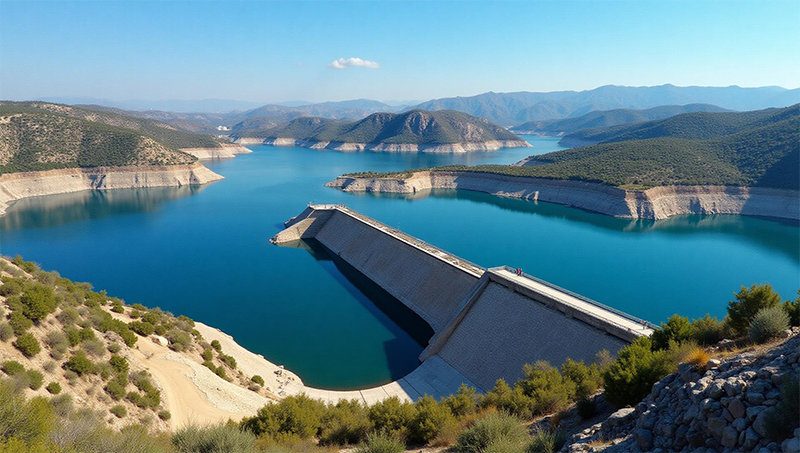
All Dokuz Eylul University campuses receive drinking water through the integrated municipal water supply system operated by the İzmir Water and Sewerage Administration (İZSU). The system combines water from the Tahtalı, Balçova, and Gördes dams with groundwater resources to provide a reliable and high-quality drinking water supply across the city. Before distribution, water undergoes advanced treatment at modern drinking water treatment plants and fully complies with national drinking water quality standards.
In 2025, İZSU operated 63 drinking water treatment plants with a total treatment capacity of 619.6 million m³ per year, supplying approximately 314 million m³ of treated drinking water to consumers throughout İzmir. Since all university campuses are connected to this municipal network, more than 75% of the water consumed at DEU originates from treated drinking water, ensuring a safe and reliable water supply for education, research, healthcare, and daily campus activities.
Protecting the Natural Water Cycle
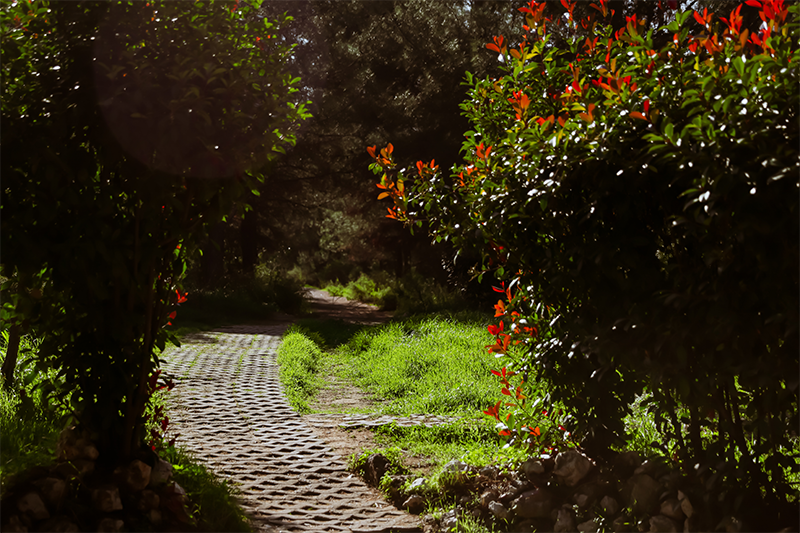
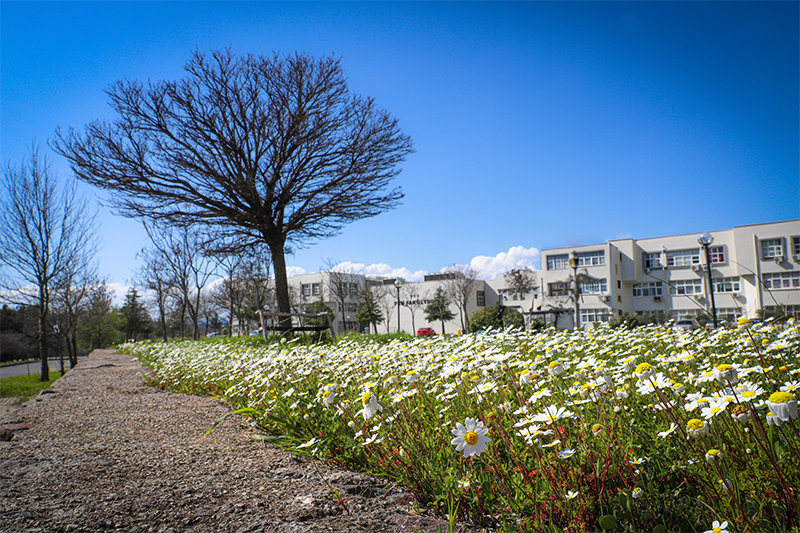
Dokuz Eylul University’s campuses have been planned to preserve natural water infiltration and groundwater recharge. Approximately 56.2% of the total campus area consists of forested land, while nearly 25% of the campus area is covered by permeable hard surfaces such as interlocking paving stones. These surfaces allow rainfall to infiltrate naturally into the soil instead of flowing directly into drainage systems.
In addition, the University maintains approximately 1.38 million m² of water-absorbing land, including permeable pavements, soil surfaces, and open green areas. These features reduce stormwater runoff, support groundwater recharge, help prevent erosion, and contribute to maintaining the natural hydrological cycle across the campuses.
Water Conservation and Efficient Water Use
Reducing potable water consumption is one of the University’s primary objectives. Water-saving technologies have been installed in many academic buildings, administrative offices, social facilities, and student areas. Motion-activated faucets, sensor-operated urinals, and dual-flush toilet systems help minimize unnecessary water consumption while maintaining hygiene and user comfort.
Currently, water-efficient fixtures are installed in approximately 40–60% of university buildings, and this proportion continues to increase as renovation and modernization projects progress. Together with awareness activities and responsible water use practices, these technologies contribute significantly to improving water efficiency throughout the University.
Rainwater Harvesting and Water Reuse
Dokuz Eylul University is steadily expanding the use of alternative water resources through rainwater harvesting and water reuse projects.
One of the University’s largest ongoing investments is the construction of a 300-ton underground rainwater storage tank at the 15 July Health Campus. Once completed, the system will collect rainwater for landscape irrigation and other non-potable purposes, reducing dependence on treated municipal water.
Rainwater harvesting is already implemented at Bergama Campus, where rooftop rainwater is collected and reused for irrigating green areas. At the Technical Workshops on Tınaztepe Campus, rainwater from a 360 m² roof is stored in a 48-ton storage tank for non-potable use. Furthermore, DEU plans to install rainwater harvesting systems at five additional locations within the Central Campus as part of its long-term water management strategy.

Innovative Water Recovery Practices
The University also implements innovative water recovery practices to maximize resource efficiency.
DEU operates three semi-Olympic swimming pools, located at Tınaztepe Campus, 15 July Health Campus, and the Seferihisar Faculty of Sports Sciences. Following routine water quality control procedures, approximately 30 tons of water per week from each swimming pool is recovered after backwashing, collected in settling tanks, and reused for irrigating campus green areas. This practice saves approximately 4,700 tons of irrigation water every year, significantly reducing the demand for potable water.
Water Quality Monitoring and Pollution Prevention
Protecting water quality is an essential component of DEU’s environmental management system. Domestic wastewater generated on campus is discharged into the municipal sewer network and treated at advanced wastewater treatment plants operated by İZSU.
To prevent pollution before discharge, grease interceptors and grit chambers are installed in areas with high wastewater generation, particularly kitchens and food service facilities. Additional drinking water purification systems are also operated in university kitchens and dining halls to provide high-quality water for daily use.
Water quality is continuously monitored through regular chemical and microbiological analyses performed by the Department of Environmental Engineering. Major water consumption areas—including dining halls, hospital facilities, and laundry units—are routinely inspected, and monitoring results are reported to the Rectorate for continuous evaluation and improvement. These practices ensure compliance with national environmental legislation while protecting both public health and surrounding ecosystems.